Introduction
When selecting tableware for children, particularly in a school setting, it is important to consider a combination of factors such as safety, durability, ease of cleaning, and the material’s environmental impact. Children spend a significant amount of time in school, eating meals and snacks, and their tableware plays a crucial role in their daily experience. The right tableware not only ensures that children have a pleasant and safe eating experience, but it also helps schools maintain cleanliness, organization, and sustainability.
As schools aim to provide a safe and conducive environment for learning and play, choosing the best materials for school tableware is equally important. From stainless steel dinner plates to eco-friendly bamboo options, this guide will explore the different materials commonly used in school tableware, as well as the best options for children of various age groups. Whether you’re a parent looking to pack lunch or a school looking to stock up for a cafeteria, choosing the right tableware can significantly impact a child’s daily school experience.
1. Key Considerations in Choosing School Tableware
When selecting tableware for children, especially for use in schools, several key factors should guide the decision-making process. Each material offers unique advantages, but it is crucial to prioritize elements like safety, durability, ease of cleaning, and environmental impact to ensure the tableware serves its intended purpose effectively. Let’s explore these considerations in more detail.
Safety and Durability
The safety of children is the top priority when selecting tableware. Materials used in school tableware must meet strict health standards, as children tend to put things in their mouths, including their plates and utensils. It’s essential to avoid materials that may contain harmful chemicals like BPA, phthalates, or lead, which are common in some plastics.
Durability is another critical consideration. Children can be rough on their belongings, and school tableware needs to withstand everyday wear and tear. Plates, bowls, and trays must be able to endure frequent use, occasional drops, and rough handling, which makes choosing strong, durable materials essential for ensuring longevity and reducing the need for frequent replacements.
Ease of Cleaning
Schools often have a high volume of students to serve during meal times, making ease of cleaning an important factor. Tableware materials that can easily be wiped down or put through a dishwasher are especially suitable. Plastic plates may be a popular choice due to their ease of cleaning, but they can sometimes retain stains or odors over time. Stainless steel and bamboo, on the other hand, are materials that tend to be more resistant to staining, which can make cleaning easier in the long run.
Eco-Friendliness
With the growing emphasis on sustainability, many schools are making an effort to reduce waste and minimize their environmental impact. Eco-friendly materials such as bamboo and silicone are becoming increasingly popular for school tableware. These materials are often biodegradable or recyclable, which reduces the amount of plastic waste that ends up in landfills.
For eco-conscious schools, using sustainable tableware not only helps protect the environment but also sets a positive example for students to follow. Additionally, some schools opt for materials that are renewable and come from responsible sources, further supporting their commitment to sustainability.
2. Common Materials Used for School Tableware
Different materials come with their own set of pros and cons, and selecting the best one depends on the needs and preferences of the school. Let’s dive into the most commonly used materials for school tableware and discuss their benefits and drawbacks.
Plastic Plates
Plastic plates are often a go-to option for younger children or for disposable settings due to their lightweight nature and affordability. They come in a variety of colors, shapes, and sizes, making them visually appealing for children. However, while plastic plates may be cost-effective, they often come with concerns about potential chemical leaching, especially when exposed to heat. It is important to ensure that the plastic used is BPA-free and free from harmful additives.
Best Uses:
- Suitable for younger children or for one-time-use scenarios.
- Ideal for temporary or disposable settings.
Stainless Steel Plates
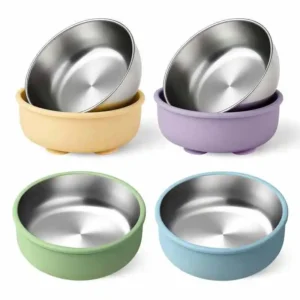
Stainless steel is a highly durable and safe material, making it one of the best options for school tableware. Stainless steel plates are resistant to damage, stains, and odors, making them long-lasting and easy to clean. They are non-toxic, ensuring that students are not exposed to harmful chemicals. Stainless steel is also a great choice for portion control as it is often heavier and more stable on the table, reducing the likelihood of spills.
Best Uses:
- Ideal for older children and school canteens where durability and longevity are important.
- Excellent for long-term use in institutions.
Bamboo Plates
Bamboo is an eco-friendly material that is gaining popularity in schools looking to reduce their environmental impact. Bamboo plates are made from renewable resources and are biodegradable. They are strong, lightweight, and naturally resistant to stains and odors, making them a practical choice for school settings. Additionally, bamboo is naturally antimicrobial, which can help prevent the growth of harmful bacteria on the plates.
Best Uses:
- Perfect for schools with a focus on sustainability.
- Suitable for environmentally-conscious schools that want to offer eco-friendly dining options.
Silicone Plates
Silicone is a flexible, non-toxic material that is becoming increasingly popular in school tableware. It is highly durable, dishwasher safe, and can withstand high temperatures, making it ideal for use in a variety of settings. Silicone plates are also great for younger children due to their soft, flexible texture, which is gentle on little hands. Furthermore, silicone is non-porous, which means it won’t absorb odors or stains.
Best Uses:
- Best for young children or toddlers who may be sensitive to harder materials.
- Suitable for schools looking for microwave and dishwasher-safe options.
3. Why Stainless Steel Dinner Plates Are the Best Choice for Schools
Among all materials for school tableware, stainless steel dinner plates stand out as the optimal choice for schools, perfectly aligning with the core needs of safety, durability, and practicality in educational settings.
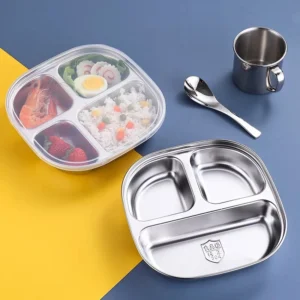
Stainless steel dinner plates, including common types like round dinner plates and divider plates, address key pain points for schools and parents. As student plates and children’s dinner plates, their non-toxic nature is a primary advantage—they contain no BPA, phthalates, or lead, eliminating risks of chemical leaching even when exposed to hot food or repeated use. This makes them exceptionally safe for children’s tableware, where kids may occasionally put plates near their mouths.
Durability is another key strength. Unlike plastic or bamboo, stainless steel dinner plates resist cracking, chipping, or discoloring from drops, rough handling, or frequent use—critical for busy school cafeterias where school plates undergo daily wear. Their resistance to stains and odors also simplifies cleaning; they can be easily washed in dishwashers without retaining food residue, saving schools time and labor in meal preparation and cleanup.
Additionally, stainless steel divider plates are particularly useful for schools. They help separate different food items, promoting balanced meals and reducing mess, which is ideal for students of all ages. As a reusable option, stainless steel dinner plates also support sustainability by cutting down on disposable school plates waste, aligning with schools’ environmental goals without compromising on performance. For these reasons, stainless steel dinner plates are the most reliable and cost-effective long-term solution for school tableware.
4. Comparing Materials: Which One Is Right for Your School?
Choosing the right material for school tableware can be a difficult decision. Each material has its advantages and drawbacks, so it’s important to weigh them carefully. Here, we compare two of the most commonly used materials: stainless steel and plastic, as well as bamboo and silicone.
Stainless Steel vs. Plastic Plates
- Durability: Stainless steel plates are far more durable than plastic, which may crack or discolor over time. Stainless steel is virtually indestructible and will last for years, making it a better long-term investment.
- Safety: Stainless steel is naturally free from harmful chemicals, while plastic can sometimes leach BPA or other toxic substances, especially when exposed to heat or wear.
- Ease of Cleaning: Both stainless steel and plastic plates are easy to clean, but plastic may retain stains and odors more than stainless steel.
- Cost: Plastic plates are generally less expensive than stainless steel, but their lifespan is shorter, which could lead to higher long-term costs.
Bamboo Plates vs. Silicone Plates
- Eco-Friendliness: Bamboo plates are biodegradable and renewable, making them an excellent choice for eco-conscious schools. Silicone, though durable, is not biodegradable, but it is recyclable in certain conditions.
- Safety and Durability: Silicone is highly durable, non-toxic, and resistant to staining, while bamboo plates are also strong but can be prone to chipping or cracking under rough handling.
- Ease of Use: Silicone is softer and more flexible, making it easier for younger children to handle. Bamboo, on the other hand, is firmer and more rigid but offers a natural, eco-friendly appeal.
- Cost: Bamboo plates are generally more affordable than silicone plates but may require more care to maintain their quality over time.
5. Eco-Friendly and Sustainable Tableware for Schools
As the world becomes more eco-conscious, many schools are making the shift toward using more sustainable materials. Eco-friendly school tableware not only benefits the environment but also teaches children the importance of sustainability from an early age. Materials like bamboo, silicone, and certain biodegradable plastics can help schools reduce their carbon footprint and promote eco-friendly habits. Schools can also reduce waste by opting for reusable tableware options, such as stainless steel divider plates or round dinner plates, thus cutting down on disposable plastics.
6. Tips for Maintaining School Tableware
To ensure that school tableware remains in good condition for years to come, it’s essential to follow proper maintenance and cleaning practices. Here are some helpful tips for different materials:
- Stainless Steel: Regularly clean with a mild detergent and avoid abrasive scrubbing pads to prevent scratching. For divider plates, pay extra attention to crevices to remove food particles.
- Plastic: Ensure plastic plates are BPA-free and clean them with non-abrasive materials to avoid wear that could lead to chemical leaching.
- Bamboo: Clean with warm water and avoid soaking for extended periods. It’s best to hand wash bamboo plates to prevent warping or cracking.
- Silicone: Silicone is dishwasher-safe, but avoid using harsh chemicals that can degrade the material over time.
Conclusion
Choosing the right tableware for your child’s school experience involves balancing safety, durability, ease of cleaning, and sustainability. Stainless steel, bamboo, plastic, and silicone each offer their own set of benefits, so selecting the ideal material depends on the specific needs of the school or child. Schools focusing on durability and long-term safety may prefer stainless steel dinner plates—especially divider plates or round dinner plates—while those prioritizing eco-friendliness may opt for bamboo. For younger children, silicone offers a flexible, child-safe alternative. Ultimately, stainless steel stands out as the most well-rounded choice for schools, meeting all key criteria for children’s tableware and school plates.