1. Introduction: The Importance of Choosing Safe and Practical Baby Eating Bowls
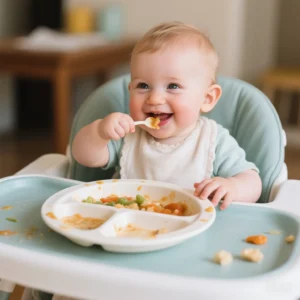
As parents, one of the most important decisions we make is selecting the right feeding tools for our babies. Baby eating bowls are not just about aesthetics—they must be practical, safe, and durable for daily use. Babies are prone to dropping or throwing their bowls, so finding one that is sturdy yet easy to use is essential. Furthermore, safety should always be a priority when choosing baby tableware, as babies tend to put everything in their mouths. It is important to choose materials that are free from harmful chemicals and easy to clean, making mealtime safer and more enjoyable for both parents and babies.
2. Popular Materials for Baby Eating Bowls
When it comes to choosing the best material for baby eating bowls, there are several options to consider. Each material has its own unique set of benefits and limitations, making it important to choose one that suits both your baby’s needs and your lifestyle.
2.1 Plastic Baby Bowls
Plastic is a popular choice for baby feeding bowls due to its affordability, lightweight nature, and variety of designs. Plastic bowls are available in bright colors and fun shapes that appeal to young children, making them visually engaging during mealtime. Additionally, they are typically very lightweight, making them easy for babies to handle as they start practicing self-feeding.
However, plastic can have some drawbacks. The biggest concern is the potential for harmful chemicals such as BPA (bisphenol A) and phthalates to leach into food, especially when heated. While many plastic baby bowls are now BPA-free, it’s essential to check for this certification before making a purchase. Plastic bowls also tend to lose their shape over time and can get scratched, which may harbor bacteria.
2.2 Silicone Baby Bowls
Silicone has become a popular material for baby feeding bowls due to its non-toxic, flexible, and durable properties. Silicone bowls are soft, making them ideal for babies who are just learning to eat. They are also easy to clean and often dishwasher safe, making mealtime a hassle-free experience for parents. Silicone baby bowls are heat-resistant, suitable for both hot and cold food, and many come with built-in suction cups to prevent spills, a major advantage during self-feeding.
Silicone is naturally non-toxic and free from harmful chemicals, making it one of the safest options for baby tableware. It’s also very flexible, which can help prevent breakage when dropped. The only downside is that silicone can sometimes retain food odors if not cleaned properly, and it may stain when used with brightly colored foods like tomatoes or berries.
2.3 Stainless Steel Baby Bowls
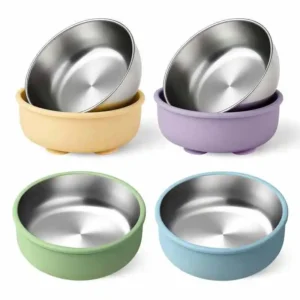
Stainless steel baby bowls are incredibly durable and long-lasting. They are resistant to stains, odors, and scratches, and they won’t absorb food particles or chemicals, making them a great non-toxic option for baby feeding. Stainless steel bowls are also easy to clean and can typically be put in the dishwasher for added convenience.
However, stainless steel bowls tend to be heavier than plastic or silicone options, which can be challenging for younger babies to handle. They also usually lack the fun colors or shapes of plastic bowls and may not be as visually appealing for your baby. Nonetheless, their durability makes them a great investment for parents looking for long-term use.
2.4 Bamboo and Wooden Baby Bowls
Bamboo and wooden baby bowls are eco-friendly options that appeal to parents seeking natural, sustainable products for their babies. Bamboo is a renewable resource, and bowls made from bamboo are usually free from harmful chemicals, making them a safe choice for baby tableware. These bowls are often lightweight and visually appealing, and they have a natural aesthetic that many parents prefer.
The downside to bamboo and wooden bowls is that they require more maintenance. They are typically not microwave safe, and they may need to be hand-washed to preserve their appearance. Over time, bamboo and wood can crack or splinter, especially if not cared for properly, so it’s important to check for any damage regularly.
2.5 Glass Baby Bowls
Glass baby bowls are another option for parents seeking a safe, non-toxic feeding bowl. Glass does not leach chemicals and is easy to clean, which makes it ideal for baby food storage. It’s also durable when used properly and is dishwasher and microwave safe.
However, glass bowls are heavier than plastic or silicone bowls and are prone to breaking if dropped. While glass is a safe option, its fragility means that it may not be the most practical choice for babies who are still learning to feed themselves.
3. Safety Considerations When Choosing Baby Food Bowls
Safety is a top priority when selecting baby tableware. Since babies tend to put everything in their mouths, it’s essential to choose bowls made from non-toxic materials. Look for baby bowls that are BPA-free, phthalate-free, and lead-free. Many manufacturers now include certifications on packaging, such as FDA approval or CPSIA (Consumer Product Safety Improvement Act) compliance, which ensures that their products meet safety standards for baby items.
Additionally, make sure that the bowl is free from any harmful finishes or coatings, especially when dealing with plastic and bamboo materials. Always check for product labels that mention “food-safe” materials, and avoid bowls that have been treated with harmful chemicals that may leach into your baby’s food.
4. Practical Features to Look for in Baby Feeding Bowls
When choosing the perfect bowl for your baby, certain practical features can make mealtime easier and more enjoyable.
4.1 Suction Cups for Stability
Suction cups are one of the most helpful features in baby bowls. They help keep the bowl securely attached to the high chair or table, preventing spills and accidents. Suction bowls are a great choice for babies who are learning to feed themselves, as they offer stability and allow for less mess. This feature is particularly helpful for toddlers who love to push or throw their bowls.
4.2 Divided Sections for Portion Contro
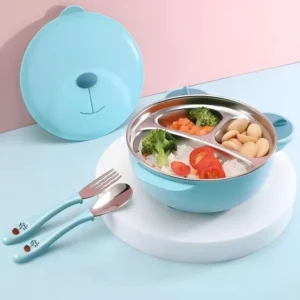
Some baby bowls come with divided sections, which allow you to separate different foods in one bowl. This is especially useful for toddlers who are picky eaters, as it helps them explore new foods without mixing them together. Additionally, divided bowls help parents manage portion control more effectively, ensuring that meals are balanced and nutritious.
4.3 Microwave and Dishwasher Safe Features
For busy parents, choosing a microwave-safe and dishwasher-safe bowl can make life much easier. Microwave-safe bowls allow for quick meal preparation, while dishwasher-safe bowls save time on cleaning. When selecting a baby bowl, always check for these features to ensure that it can withstand frequent use without losing its shape or integrity.
5. Which Material is Best for Your Baby? Factors to Consider
The best material for your baby’s feeding bowl depends on several factors, including your baby’s age, your personal preferences, and how often you plan to use the bowls.
-
Age: For infants just starting solids, silicone bowls with suction cups are a great option, as they are soft, easy to clean, and prevent spills. For toddlers, more durable materials like stainless steel or plastic may be more appropriate as they are sturdier and easier to handle.
-
Durability: If you’re looking for a long-term investment, stainless steel or silicone are both great options due to their durability. These materials can withstand daily use and resist scratches and stains.
-
Environmental Considerations: For parents looking for eco-friendly choices, bamboo or wooden bowls are an excellent natural option. These materials are sustainable and safe but require a bit more care.
-
Budget: Plastic bowls tend to be the most affordable, while stainless steel and glass can be more expensive. Consider your budget and how often you plan to replace the bowls.
6. Conclusion: Finding the Right Baby Bowl for Your Little One
Choosing the right baby feeding bowl is crucial for your baby’s safety and comfort during mealtime. By considering the material, safety certifications, and practical features like suction cups or divided sections, you can ensure that your baby’s bowls are not only functional but also safe and enjoyable to use. Whether you choose silicone, plastic, stainless steel, or bamboo, the right bowl can make a big difference in your baby’s eating experience.
For parents looking for reliable, high-quality baby feeding bowls, Ayuki is a trusted brand that offers a wide range of baby tableware made from safe, non-toxic materials. Known for their commitment to quality and safety, Ayuki ensures that their products meet the highest standards for both functionality and design. Whether you need silicone baby bowls with suction cups or sturdy stainless steel options, Ayuki provides durable and practical solutions that make mealtime easier for both parents and babies. Their focus on eco-friendly materials and child-safe construction ensures peace of mind for parents, while their user-friendly designs promote independent feeding for your little one.