Introduction: The Importance of Self-Feeding Spoons for Toddlers
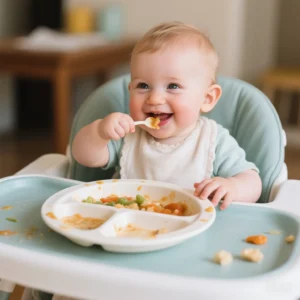
As toddlers grow, they develop a sense of independence, and one significant milestone in this journey is learning to self-feed. Encouraging your toddler to feed themselves not only enhances their motor skills but also fosters autonomy and self-confidence. One of the most essential tools in this process is the self-feeding spoon, which aids toddlers in practicing hand-eye coordination and refining their grasping abilities.
Selecting the right spoon for your toddler involves considering factors such as material, design, and usability. The ideal spoon will make mealtime enjoyable while supporting your child’s development by balancing comfort, safety, and functionality.
This article will examine the best self-feeding spoons for toddlers, focusing on key features, leading brands, and the reasons some spoons excel. From soft silicone options to those with curved handles designed for small hands, we aim to help you choose the spoon that best meets your toddler’s needs. Whether you’re a first-time parent or looking to upgrade your toddler’s feeding tools, this guide will provide valuable insights for making an informed choice.
Key Features to Look for in Toddler Self-Feeding Spoons
When selecting the best self-feeding spoon for your toddler, several key features should be prioritized to ensure functionality and safety. These features will enhance your child’s mealtime experience, encourage independence, and ensure durability. Here are the most important factors to consider:
Material Matters: Silicone vs. Plastic
The material of the spoon is a critical aspect of your choice. Silicone is often the preferred option for toddler feeding spoons due to its softness, flexibility, and safety. Unlike plastic spoons, silicone spoons are BPA-free, non-toxic, and devoid of harmful chemicals, making them safer for toddlers who tend to chew on everything. Silicone is also gentle on sensitive gums, preventing discomfort during self-feeding.
Plastic spoons, in contrast, can be less durable and may contain harmful chemicals like BPA, particularly in lower-quality products. Choosing high-quality silicone spoons provides peace of mind, knowing they are safer and more suitable for your toddler’s needs.
Ergonomic Designs for Small Hands
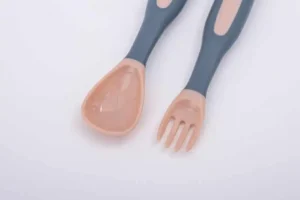
Toddlers are still mastering how to grasp and manipulate objects, so ergonomically designed spoons can significantly enhance their self-feeding experience. Look for spoons with curved handles or designs that fit comfortably in your toddler’s small hands. These spoons are easier to hold, and the curved handle encourages a proper grip, facilitating self-feeding.
The spoon’s shape should also be child-friendly, featuring a smaller, shallow bowl that suits their mouth size and reduces mess. A well-designed spoon helps toddlers gain confidence in their self-feeding abilities and promotes better mealtime habits.
Safety First: BPA-Free and Non-Toxic
Safety is paramount when selecting baby products, and spoons are no exception. Ensure the spoon is BPA-free and made from food-safe materials that do not contain harmful chemicals or toxins. BPA (Bisphenol A) is a harmful substance often found in plastics, and exposure can lead to long-term health issues. It’s best to avoid plastic spoons unless they are specifically labeled as BPA-free.
High-quality silicone spoons are typically free of BPA, PVC, and phthalates, making them the safest option for toddlers. Always check the label to confirm that the spoon meets safety standards, ensuring your child’s health and well-being.
Easy to Clean
Feeding can be messy, so an easy-to-clean spoon is essential for parents. Silicone spoons are generally easy to clean, as they can be washed in the dishwasher or sterilized by boiling water. The smooth surface of silicone doesn’t trap food particles, minimizing the risk of bacteria and germs.
Plastic spoons may have crevices or textures that complicate cleaning. In contrast, a smooth, seamless design, often found in silicone spoons, makes cleaning quick and effortless, offering convenience in busy households.
Top 5 Self-Feeding Spoons for Toddlers
In this section, we will highlight the top self-feeding spoons available for toddlers, focusing on the Ayuki brand known for its high-quality and ergonomically designed spoons, along with other popular options for a well-rounded selection.
Spoon #1: Ayuki Silicone Baby Spoon
Features: Soft, food-grade silicone, BPA-free, ergonomic handle, dishwasher safe
Why It’s Great: Ayuki’s Silicone Baby Spoon is a top choice for toddlers. Its soft silicone material is gentle on delicate gums, especially for teething toddlers. The ergonomic design and lightweight construction make it easy for small hands to grasp, encouraging self-feeding. Plus, it’s dishwasher safe, making cleaning quick and convenient.
Spoon #2: Munchkin Miracle 360° Trainer Cup Spoon
Features: BPA-free, non-toxic, spill-proof design, training spoon included
Why It’s Great: The Munchkin Miracle 360° Trainer Cup Spoon is ideal for toddlers learning to self-feed. Its unique 360° design helps minimize spills, making it suitable for young children. The training spoon promotes independence and helps toddlers learn feeding mechanics, all while being made from BPA-free materials.
Spoon #3: Nuby Sure Grip Easy Grip Spoon
Features: Soft silicone tip, ergonomic handle, BPA-free, easy to hold
Why It’s Great: The Nuby Sure Grip Easy Grip Spoon is favored by parents seeking a non-slip, ergonomic spoon. The soft silicone tip is gentle on sensitive gums, and the ergonomic handle is designed for comfortable holding. This spoon is BPA-free, ensuring safety for toddlers.
Spoon #4: OXO Tot Baby Spoon
Features: Soft-tip, ergonomic design, dishwasher safe, BPA-free
Why It’s Great: The OXO Tot Baby Spoon features a soft tip that is gentle on gums and teeth. Its ergonomic design ensures a comfortable hold for both the child and parent, making it easy to guide toddlers during feeding. Made from high-quality, BPA-free materials, it is also dishwasher safe for easy cleaning.
Spoon #5: Comotomo Baby Spoon
Features: Soft silicone material, ergonomic handle, dishwasher safe, BPA-free
Why It’s Great: The Comotomo Baby Spoon is another excellent option for parents seeking a soft, gentle spoon for toddlers. Its ergonomic handle facilitates easy grasping and use, promoting self-feeding. Made from BPA-free, non-toxic materials, it is also dishwasher safe for safe and easy cleaning.
Benefits of Silicone Baby Spoons for Toddlers
Silicone spoons have become the preferred choice for toddlers, and for good reason. Here are some key benefits:
Softness and Comfort
Silicone is a soft material that is gentle on a toddler’s gums, especially during teething. Unlike plastic, silicone won’t cause discomfort if bitten down on, and its flexibility allows it to adapt to toddlers’ hand movements.
Durability
Silicone is a durable material that withstands high temperatures, making it ideal for toddlers who tend to drop or throw their spoons. It resists cracking and can be sterilized without damage, ensuring longevity.
Safety and Non-Toxicity
Silicone spoons are popular due to their non-toxic nature. They are BPA-free and phthalate-free, making them a safer choice compared to plastic spoons that may contain harmful chemicals. Silicone is made from natural materials like silica, which is completely safe for toddlers.
How to Encourage Toddlers to Self-Feed with the Right Spoon
Helping your toddler transition to self-feeding can be a fun and rewarding experience. Here are some practical tips to encourage your toddler to use their new self-feeding spoon:
Be Patient: It’s a Learning Process
Self-feeding takes time and practice. Be patient as your toddler learns to use the spoon. It’s normal for them to make a mess initially, but with encouragement and practice, they will become more proficient.
Choose the Right Spoon for Their Age
Different age groups have varying developmental needs. For toddlers just starting out, opt for spoons with curved handles that assist in proper grasping. For older toddlers with improved motor skills, consider spoons with deeper bowls or more rigid handles.
Make Mealtime Fun
Toddlers are more likely to engage in self-feeding if mealtime is enjoyable. Use spoons in fun colors or playful designs, and make feeding interactive by encouraging your toddler to feed themselves while you model the process.
Conclusion
Choosing the right self-feeding spoon for your toddler is an important step in fostering their independence and enhancing their mealtime experience. By considering key features such as material, ergonomic design, safety, and ease of cleaning, you can select a spoon that not only supports your child’s development but also makes mealtime enjoyable for both you and your little one.
Silicone spoons stand out as a preferred choice due to their softness, durability, and non-toxic properties, making them safe for toddlers. As you encourage your child to explore self-feeding, remember to be patient and make the process fun. With the right tools and a supportive approach, your toddler will gain confidence in their feeding skills, paving the way for a positive relationship with food and mealtimes.
Investing in high-quality self-feeding spoons is a small but significant step in your child’s growth journey, helping them develop essential skills that will benefit them for years to come.